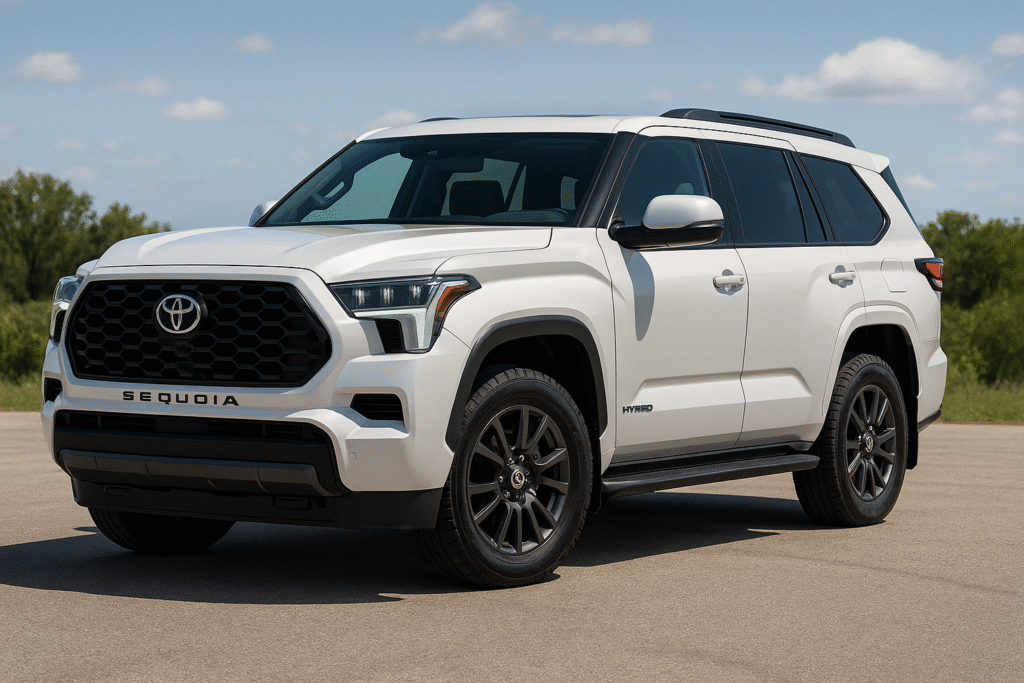
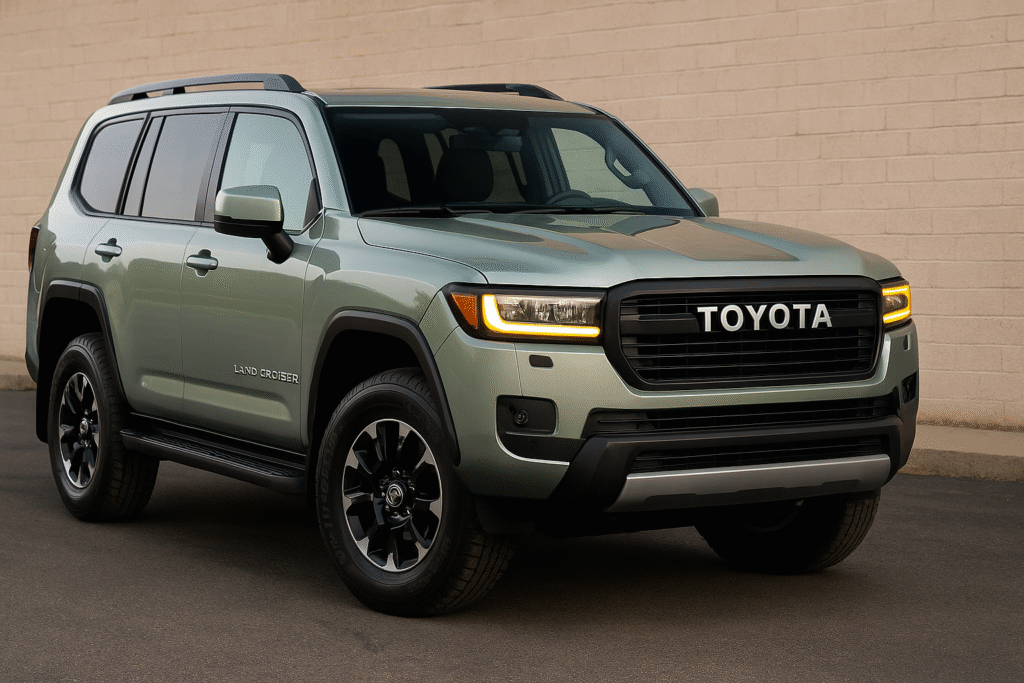
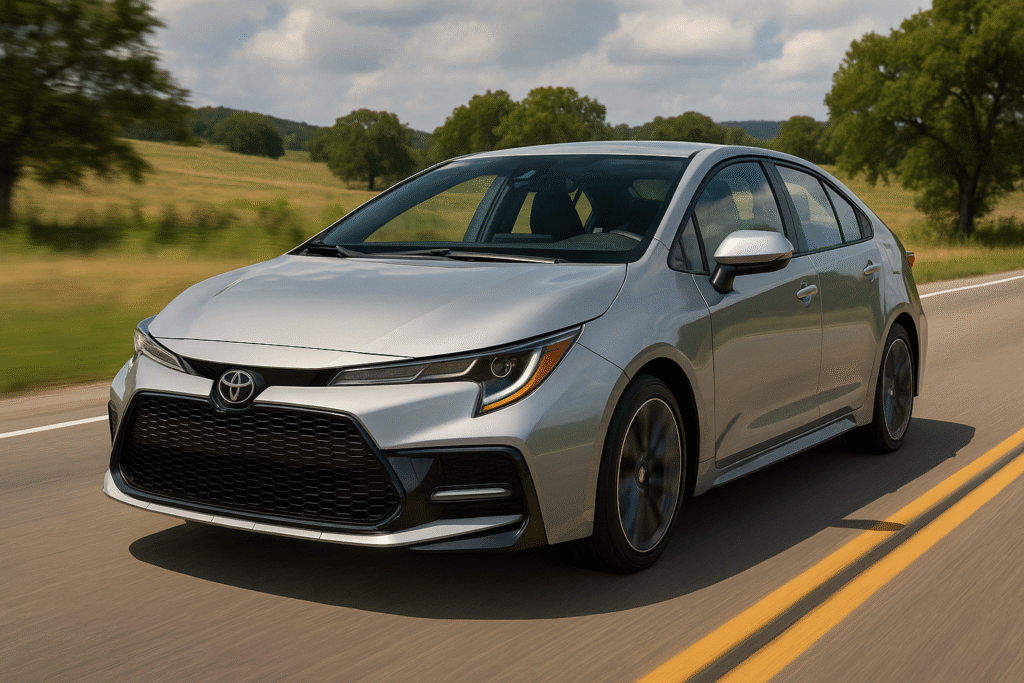
The center of gravity in personal transport has shifted, and the real contest now is not between brands, but between architectures. Tesla vs Toyota 2026 is the shorthand for that decision: fully electric momentum meeting hybrid persistence. One pathway removes tailpipe emissions entirely and leans on software and charging infrastructure; the other blends gasoline economy with electric efficiency, minimizing friction for buyers not yet ready to plug in daily.
Why this comparison matters in 2026
EV adoption keeps advancing, yet hybrids remain a market constant because they de-risk change. Many buyers know they want lower emissions and lower fuel costs but juggle apartment living, long highway travel, winter commutes, tight budgets, or simply the comfort of familiar refueling. Tesla built a seamless electric ecosystem around charging, software, and performance; Toyota refined hybrid drivetrains into quiet, reliable, fuel-efficient workhorses. The current choice is not abstract ideology; it’s lived experience and ownership math. In that landscape, Tesla vs Toyota is the cleanest lens through which to evaluate EV vs hybrid for 2026 purchases.
Powertrains that shape the experience
Fully electric vehicles replace the engine and transmission with a battery pack, inverters, and one or more motors. Instant torque, regenerative braking, and software-defined behavior are the hallmarks. Tesla leans hard into that software stack: energy management, over-the-air updates, and a cabin experience centered on a responsive interface and well-integrated driver assistance. The absence of a conventional transmission simplifies mechanical complexity and long-term maintenance.
Toyota hybrid systems pair a gasoline engine with electric motors via a planetary gearset and smart energy control. The engine handles load when most efficient; motors assist at low speeds and recapture energy during braking. The design trades outright electric range for total-system efficiency and consistency. There is no range anxiety, because gasoline remains the energy buffer. Stop-and-go commutes showcase the hybrid’s sweet spot, while steady highway travel leans more on the engine without the need to locate a charger.
These architectures influence daily life. EVs love home charging and predictable routines. Hybrids excel when public charging is sparse, home charging is impractical, or when a household needs to cross entire regions in a day without planning stops. Both are quiet and smooth, but the EV’s silence and responsiveness are distinctive.
Models you’ll actually cross-shop in 2026
- Tesla Model 3: The most common EV comparison point against efficient sedans. Strong software experience, compelling acceleration, and a mature charging ecosystem.
- Tesla Model Y: A family-sized crossover with similar strengths to Model 3, extra utility, and wide availability.
- Toyota Prius Hybrid: The efficiency icon, particularly competitive for city and mixed commuting; practical, steady, proven.
- Toyota Camry Hybrid: Midsize comfort with hybrid fuel savings; a mainstream choice for families and fleets.
- Toyota RAV4 Hybrid (and plug-in variant): For buyers who want an SUV format; the plug-in version suits short electric commutes with gasoline backup for long trips.
Shoppers often frame the decision as Tesla Model 3 against Toyota’s latest Prius or as Model Y against hybrid sedans and crossovers in the same price band. That’s less about power and more about the ownership envelope each creates.
Range, efficiency, and the rhythm of refueling
The headline number for EVs is driving distance per charge. Tesla 2026 range will continue to depend on wheel choice, climate, speed, topography, and charging habits. Tesla’s software helps the driver precondition the battery and plan fast-charging stops dynamically, smoothing long trips. For many owners with home charging, daily life becomes topping up overnight and leaving each morning with a full battery. That routine removes nearly all refueling errand time from the week.
Hybrids flip the script: efficiency is steady and predictable because the gasoline safety net is ever-present. City driving favors Toyota hybrid systems, where regenerative braking and engine-off coasting add up to meaningful fuel savings. On the highway, hybrids remain competent and frugal without the need for planning around chargers. The stop itself is trivial: a few minutes at a pump, then back on the road.
Charging versus pumping is more than minutes and miles; it’s a lifestyle cadence. In a home with driveway access, an EV is seamless. In dense apartments without reliable charging, a hybrid feels simpler. Public fast-charging has grown significantly and continues to standardize connectors and payment, but station availability, pricing, and peak-hour congestion vary by region. By contrast, gas stations are nearly ubiquitous and quick. For road-trip planners, modern EV route tools are excellent; for spontaneous detours through remote areas, hybrids may still have an edge.
Performance and drivability land on different values. EV torque delivers immediate passing power and calm, one-pedal driving. Hybrids focus on efficiency and refinement; newer systems have tidier transitions between electric assist and engine output. Buyers prioritizing swift, quiet acceleration often lean electric; buyers prioritizing predictability across long, mixed routes remain comfortable with hybrids.
Ownership costs: price, energy, maintenance, and resale
Sticker prices for EVs and hybrids can overlap, especially when comparing a well-equipped Toyota hybrid and a mid-trim Tesla. Incentives can tilt the decision. Some regions offer tax credits or reduced registration fees for EVs, sometimes extended to plug-in hybrids; hybrids without a plug typically receive fewer direct incentives. Always check current local policy and eligibility before finalizing a budget.
Energy costs are location-specific. Home electricity, time-of-use rates, and workplace charging shape EV running costs. Public fast-charging often costs more per kilowatt-hour than home charging, which can erode an EV’s advantage if used frequently. Gasoline prices fluctuate, but hybrids blunt volatility through efficiency. The owned-life math hinges on your charging mix: mostly home charging usually favors an EV; mostly public fast-charging narrows the gap or tips it to a hybrid.
Maintenance patterns diverge. EVs avoid oil changes, exhaust work, and many moving parts that wear in traditional powertrains. Tires, brake fluid, cabin filters, wiper blades, and alignment remain. Hybrids add engine-related service, though Toyota’s systems are robust and often run the engine under lighter loads than in non-hybrid cars, potentially easing some wear. Brake service intervals can extend on both EVs and hybrids due to regenerative braking.
Resale values reflect perception, demand, and battery confidence. Market data shifts with policy and fuel prices, but EVs with strong charging support and software updates tend to retain interest. Hybrids benefit from decades of buyer trust and broad appeal to used-car shoppers who prioritize low running costs without charging dependence. Ultimately, total cost of ownership in 2026 between a Tesla and a Toyota hybrid will come down to usage patterns, energy prices in your region, and available incentives.
Safety, reliability, and the warranty lens
Both camps treat safety as table stakes, with advanced driver assistance and strong crash performance widely expected. Differences show up in tuning and interface. Tesla keeps assistance features tightly integrated into the central display and updates them frequently via software. Toyota emphasizes clear, conservative calibration and physical controls that many drivers appreciate.
Reliability is as much about system maturity as component count. Hybrids benefit from Toyota’s long history building similar drivetrains at scale. EVs simplify the powertrain but rely heavily on battery management and electronics. Battery warranties and hybrid component coverage exist in both worlds; review actual policy language for specific terms and roadside assistance provisions.
Environment: beyond the tailpipe
At the tailpipe, EVs win by removing combustion entirely. The grid’s energy mix, manufacturing practices, and battery sourcing shape the bigger picture. Over time, cleaner grids and recycling improvements enhance EV benefits. Hybrids lower fuel burned per mile, a significant win in congested cities and for high-mileage drivers without charging access. The environmental impact of Tesla vs Toyota hybrids depends on how and where the vehicle is used and how electricity is generated.
Lifecycle thinking matters. Manufacturing a large battery has an upfront footprint that is paid back over mileage driven, especially on cleaner electricity. Hybrids carry a smaller battery and smaller upfront footprint, earning steady reductions through gasoline savings. Drivers logging heavy annual mileage with regular home charging accelerate an EV’s lifecycle advantage; low-mileage or infrastructure-limited owners still achieve real reductions with hybrids. In other words, both pathways can be responsible choices when matched to context.
FAQ
Which is cheaper to run in 2026: a Tesla EV or a Toyota hybrid?
For many owners with home charging, a Tesla can be cheaper to run than a Toyota hybrid because home electricity often undercuts gasoline per mile. If you rely mainly on public fast charging, the gap narrows or a hybrid can win. Local energy prices and incentives dictate the outcome.
How do Tesla and Toyota compare for real-world range and fuel economy?
EV range varies with speed, weather, wheels, and charging strategy. Hybrids deliver steady, predictable fuel economy and shine in city traffic. Daily home charging simplifies EV life; frequent long highway trips with unpredictable charger access favor hybrids for convenience.
What are the main maintenance differences between EVs and hybrids?
EVs skip oil changes, exhaust work, and many engine-related services. Hybrids add engine maintenance but benefit from regenerative braking and Toyota’s mature hybrid systems. Both need tires, brake fluid, and basic wear items over time.
Are there tax incentives or rebates in 2026 for buying a Tesla or a Toyota hybrid?
Many regions continue to support EV purchases with tax credits, rebates, or reduced fees; plug-in hybrids may qualify in some programs. Conventional hybrids without a plug typically receive fewer direct incentives. Check current local rules and eligibility before purchase.
From choosing a car to preserving what matters
Vehicles bookmark chapters of our lives: first jobs, road trips, hospital drives, the quiet rides home after goodbyes. The spreadsheets help you pick between EV or hybrid, but memory is the reason the decision matters at all. Stories gather around cars—photos from the coast, a favorite playlist, the person who taught you to drive.
If you want those stories to live longer than any lease or title, consider a simple, durable way to keep them together for your family. A curated page with images, dates, and words can turn mileage into meaning. The digital memorial platform Zhady helps families build and keep such memory pages online—structured, searchable, and private by design. It’s a place to anchor timelines, preserve milestones, and pass on context that outlasts hardware and trends. When the car changes, the memories stay, and your loved ones can find them when it matters most.